

As the world marks World Leprosy Day on 25 January 2026, a powerful lesson is emerging from some of India’s most underserved regions: when accurate information reaches people, prevention follows naturally.
UK-based charity Lepra (Lepra UK), which has worked in India for decades, is drawing attention to one of its most impactful yet understated interventions—Information, Education and Communication (IEC) mobile units—designed to confront one of leprosy’s biggest challenges: stigma, not medicine.
Despite medical advances, leprosy continues to be surrounded by fear, misinformation, and deep-rooted social discrimination. Many people still hide early symptoms, fearing social rejection more than the disease itself. This delay often leads to preventable disabilities and prolonged transmission—outcomes that modern medicine can easily avoid.
Leprosy is curable. The real barrier is stigma.
Lepra UK: Taking Health Education Where Hospitals Cannot Reach
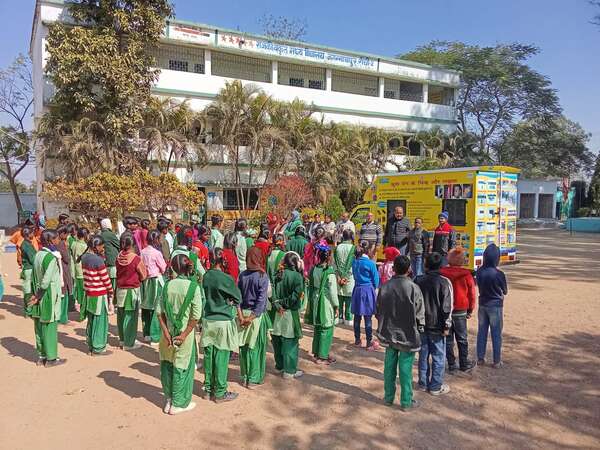
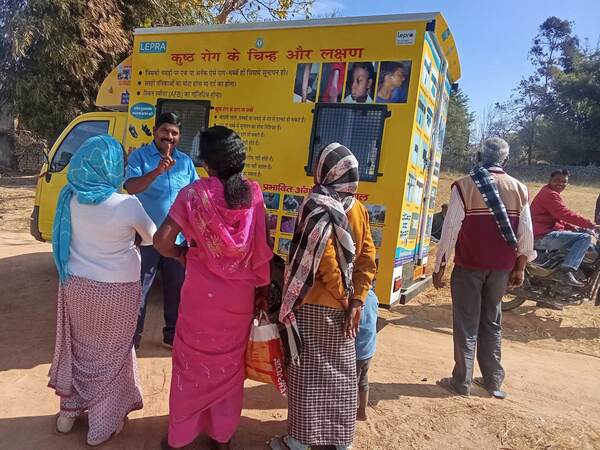
Lepra’s IEC mobile units flip the traditional healthcare model on its head. Instead of waiting for communities to reach health facilities, these units carry knowledge directly into villages, schools, and remote blocks, especially in leprosy-endemic regions.
In Jharkhand, one of India’s high-burden states, a newly launched IEC mobile unit—supported by The Hodge Foundation—has emerged as a lifeline for thousands of families. Over the past year, the unit has travelled tirelessly from village to village and school to school, using films, visual graphics, and face-to-face conversations to dismantle myths surrounding leprosy.
The message is simple, but transformative:
- Leprosy is not a curse
- It is not hereditary
- It is fully curable
- Early treatment stops transmission completely
Also Read: Know Top 10 Medical Myths About TB – Tuberculosis
Educating Children, Transforming Communities
One of the most powerful impacts of the Jharkhand mobile unit has been its focus on young people and schools.
HealthViews India learned that:
- 4,000 students are reached every month—nearly 48,000 children annually
- Around 200 students participate daily in awareness sessions
- 40 school and community sessions are conducted every month
Teachers are trained to identify early symptoms, while students are encouraged to replace fear with empathy. For many children, this is the first time they learn that leprosy is curable and that early treatment prevents disability.
Educators report a ripple effect: stigma begins to lift not only inside classrooms, but within families and entire villages.
Why Mobile IEC Units by Lepra UK Are a Game Changer
These mobile units play a critical role in Lepra’s early detection strategy. Before active case-finding surveys begin, IEC units help build trust, familiarity, and openness within communities—making people more willing to come forward for screening.
By reframing leprosy as a treatable medical condition rather than a social curse, these units help:
- Improve early diagnosis
- Encourage treatment adherence
- Reduce long-term disability
- Restore dignity to affected individuals
Communities are also informed that multidrug therapy is free, highly effective, and available through government systems, removing financial fear from the equation.
Impact at Scale
According to data shared with HealthViews India:
- Over 1.16 million people were reached through health education campaigns in India and Bangladesh last year
- 5,000+ new leprosy cases were detected early
- 10,000+ government health workers were trained in early diagnosis and treatment
These numbers reflect not just reach—but lives protected from lifelong disability and exclusion.
Looking Ahead: 2026 and Beyond
As India continues its push toward eliminating leprosy-related disability and discrimination, initiatives like mobile IEC units demonstrate that public health success depends as much on communication as on cures.
This World Leprosy Day, Lepra, a UK-based charity organization is calling for greater public support to expand its outreach in 2026—ensuring that no community remains isolated from life-saving information.
About Leprosy
Leprosy is a communicable disease caused by a bacterium that affects the skin and peripheral nerves. If left untreated, it can result in severe disability and lifelong stigma. The disease can incubate for 6 months to 20 years, making early detection crucial.
Globally:
- 475 people are diagnosed every day
- 25 of them are children
- Over 7 million people live with leprosy-related disabilities worldwide
About Lepra UK
Founded in 1924, Lepra is a UK-based charity working extensively in India and Bangladesh to find, diagnose, treat, and rehabilitate people affected by leprosy. Beyond medical care, Lepra focuses on combating stigma, discrimination, and social exclusion.
Patron: His Majesty King Charles III
Vice President: HRH The Duke of Gloucester
HealthViews India Note: This report is part of HealthViews India’s ongoing commitment to spotlight evidence-based public health initiatives that drive real social change across India.For more information on Lepra’s work or to support their initiatives, visit their official website.