

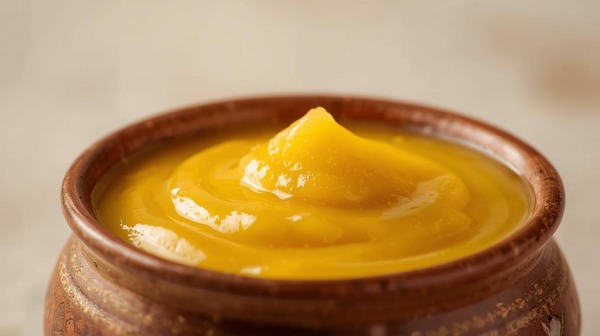
In late 2025, one of India’s most prominent FMCG brands—Patanjali Ayurved Ltd—found itself in the spotlight again after a batch of its cow ghee failed official quality tests, leading to government fines and renewed questions about food safety standards and consumer trust. This development has triggered widespread consumer interest and concern, prompting deeper scrutiny of food quality, regulatory compliance, and health implications.
Recent Legal Action on Patanjali Ghee
In December 2025, a district court in Pithoragarh, Uttarakhand fined Patanjali Ayurved Ltd a total of ₹1.40 lakh—along with fines for the distributor and retailer—after a sample of Patanjali cow ghee was found substandard in both state and national laboratory tests. (The New Indian Express)
The case originated from a routine inspection back in October 2020, when an official food safety sample was collected from a general store in Kashani village. Both the initial test and a subsequent re-test in Ghaziabad concluded that the ghee did not meet mandated quality standards. (FNB News)
Following the court order, Patanjali issued a clarification asserting strong internal quality controls and indicating plans to appeal the decision. (The Statesman)
Why This Matters: Ghee and Public Health
Ghee (clarified butter) is a staple in Indian cooking and Ayurvedic tradition. It is widely believed to support digestion and immunity when pure and properly processed. However, food safety authorities require that all edible ghee meet stringent purity and composition standards established under the Food Safety and Standards Act, 2006. Failure to meet these standards suggests potential risks such as:
- Adulteration with vegetable oils or fats
- Incorrect composition of fatty acids
- Contaminants or harmful residues
- Misleading labeling or branding
When a product labeled as “pure cow ghee” does not meet these parameters, it not only violates legal standards but also raises questions about consumer health risks and misleading marketing.
What Regulatory Tests Check For
Quality tests for ghee typically analyze:
- Fat composition – Ensuring the right balance of saturated and unsaturated fats.
- Presence of non-dairy oils – Detecting vegetable oils such as palm or soybean oil.
- Free fatty acid levels – Indicators of rancidity or poor processing.
- Moisture content – High moisture suggests lower purity.
- Adulterants or contaminants – Pesticide residues or other chemical traces.
Failing any of these parameters means the product is not fit for consumption as pure dairy ghee—a serious public health concern.
Also Read: Latest! Non-Veg Ingredient In Veg Patanjali Divya Dant Manjan?
Consumer Safety and Health Implications
1. Risk of Adulteration
When ghee is adulterated with vegetable oils or cheaper fats, it changes not just nutritional value but how the body metabolizes the food. Pure cow ghee contains medium-chain fatty acids beneficial in moderation, whereas added oils can increase unhealthy lipid intake, potentially contributing to:
- Weight gain
- Cardiovascular stress
- Inflammation
- Imbalanced cholesterol profiles
Experts warn that poor quality or adulterated ghee may compromise health benefits, especially for those consuming it for therapeutic or dietary reasons.
2. Mislabeling and Consumer Misperception
Consumers often associate Patanjali products with purity and traditional Ayurvedic wellness. But if quality control issues lead to misrepresentation of products, that can erode trust and lead to wrong dietary choices—especially in vulnerable populations like children, seniors, and individuals with metabolic disorders.
Patanjali’s Response and Next Steps
Patanjali has stated its products undergo rigorous internal testing before release and expressed disagreement with the court’s findings. It has indicated plans to challenge the verdict in higher legal forums. (ABP Live)
While legal appeals proceed, regulatory agencies like the Food Safety and Standards Authority of India (FSSAI) continue routine inspections and can order recalls, fines, or legal action when standards are breached.
Consumer Guidance: How to Buy Safe Ghee
To protect public health and choose quality products:
✔️ Look for FSSAI license numbers on packaging
Products should clearly display an FSSAI mark and license code. This indicates regulatory approval and compliance.
✔️ Check the best-before date and batch information
Expired or badly stored products degrade faster.
✔️ Prefer clear labeling
Ingredients should clearly list dairy content and purity claims.
✔️ Be cautious of unusually low prices
Very cheap ghee in branded packaging can sometimes be adulterated or fake.
✔️ Report suspected issues
Consumers can report suspected substandard products to local food safety authorities.
Broader Context: Food Safety in India
Patanjali is not the only brand to face quality challenges. Regulatory agencies routinely test FMCG products including oils, dairy, spices, and other packaged goods. Earlier in 2025, a batch of red chilli powder from Patanjali Foods Ltd was also directed for recall by FSSAI due to non-conformance with safety standards. (aifpa.net)
In addition, samples of other Patanjali products, including refined oil, reportedly failed quality checks during tests in Uttar Pradesh, resulting in notices and further investigation. (hearinguru.com)
These incidents highlight the critical role of food safety enforcement and the importance of transparent regulatory compliance in protecting consumer health.
Expert Insights: Food Safety and Public Health
Nutrition Specialist View
Dr. Meera Sharma, Nutritionist, explains:
“Ghee, when pure, offers concentrated energy and fat-soluble vitamins. However, adulterated ghee can introduce unhealthy lipids and contaminants, which may increase the risk of cardiovascular and metabolic issues over time.”
Food Safety Professional View
According to food safety expert Rajesh Verma:.
“Routine quality checks and independent testing ensure that market products are safe. When a well-known brand fails these tests, it underscores the need for regular monitoring and consumer awareness.”
Conclusion: What This Means for You
The Patanjali ghee quality test failure and fine serve as a reminder that brand popularity does not guarantee product purity. Consumers must remain vigilant, prioritize verified quality products, and make informed choices based on clear labeling and regulatory marks.
While Patanjali works through its legal options, consumers, health professionals, and regulatory bodies must continue prioritizing food safety and transparent reporting to safeguard public health.