

In 2026, the global conversation around cancer has shifted from “remission at any cost” to “precision with quality of life.” For international patients, India has emerged as the premier choice not just for its affordability, but for its leadership in cutting-edge radiation and immunotherapy. With the expansion of Proton Beam Therapy and the indigenous development of CAR-T Cell Therapy, India offers treatments that are either unavailable or financially prohibitive in the West. This article explores why 2026 is the year India became the “Oncology Hub” for the Global South and beyond.
1. Proton Beam Therapy: The “Pencil Beam” Revolution
The “India Preference” in 2026 is anchored by the Apollo Proton Cancer Centre (APCC) in Chennai and the National Hadron Beam Therapy Facility at Tata Memorial (ACTREC).
- Sub-Millimeter Accuracy: Unlike traditional X-ray radiation, Proton Beam Therapy stops exactly at the tumor site, sparing healthy organs like the heart, lungs, and brain.
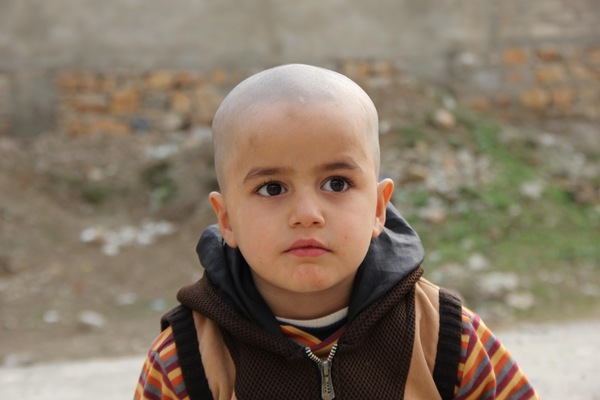
- Pediatric Oncology Leadership: India is now a global destination for childhood cancers. Proton therapy minimizes the risk of secondary cancers later in life—a benefit that makes the journey to India an easy decision for parents worldwide.
- Operational Scale: By 2026, new centers in Hyderabad and Gurugram have reduced waiting times to less than a week for international arrivals.
2. The 2026 Cost Advantage: Breaking the Financial Toxicity
“Financial Toxicity” is a term used in the West for the debt cancer causes. India’s 2026 healthcare model effectively eliminates this. Following the Budget 2026-27 reforms, which removed customs duties on 17 life-saving oncology drugs, the cost gap has widened further.
Also Read: The Heal in India Initiative 2026: Why India is the New Global Superpower in Medical Tourism
3. Why India is Preferred for Cancer Care: The 5 Pillars of 2026 Oncology
While cost is the hook, the “Preference” is built on clinical outcomes and infrastructure:
- High-Volume Expertise: Indian oncologists at centers like Tata Memorial treat more cases of oral, cervical, and esophageal cancers than any other country, leading to surgical precision that is unmatched.
- No Waiting Lists: In the UK or Canada, waiting for a PET-CT or starting radiotherapy can take months. In India, international patients often start treatment within 48 to 72 hours of arrival.
- Indigenous Innovation: India’s 2026 launch of home-grown CAR-T cell platforms (like NexCAR19) has brought the cost of “curing the incurable” blood cancers down by 90% compared to US-made versions.
- Multilingual Care Ecosystems: Top hospitals now feature dedicated “International Patient Lounges” with translators for Arabic, French, Russian, and Swahili, ensuring no “trauma of communication” during the healing journey.
- Heal in India Visa (AY-1/Med): The 2026 e-visa process is now fully integrated with hospital portals, meaning your visa is often approved automatically once your medical invitation is uploaded.
4. Top Oncology Destinations in India 2026
- Chennai (Apollo Proton): The gold standard for Proton Therapy and robotic oncology.
- Mumbai (Tata Memorial/ACTREC): The world leader in research-driven, affordable cancer care.
- Delhi-NCR (Medanta/Max): Hubs for Bone Marrow Transplants (BMT) and advanced Immunotherapy.
- Bengaluru (HCG/Narayana): Pioneers in genomics-based “Targeted Therapy” where drugs are matched to your specific DNA.
5. Post-Treatment Recovery: Integrated Healing
A unique 2026 preference is the “Medical-Wellness Hybrid.” After exhausting chemotherapy or radiation, patients move to AYUSH-accredited centers for:
- Onco-Nutrition: Diets designed to rebuild the gut microbiome.
- Yoga for Lymphedema: Specialized movements to manage post-surgical swelling.
- Meditation for Mental Resilience: Addressing the psychological toll of the cancer journey.
Conclusion: Beyond Survival, Towards Thriving
India’s oncology landscape in 2026 represents a new era of global health equity. By combining the world’s most advanced physics (Proton Beams) with the world’s most efficient economics, India isn’t just a “cheaper option”—it is the smarter choice for a second chance at life.
Frequently Asked Questions on Proton Beam Therapy
1. Is Proton Therapy available for all types of cancer?
No. It is most effective for tumors near critical organs (brain, spine, heart) and pediatric cases. Our doctors provide a free remote “Dosimetry Comparison” to see if Proton is better for you than traditional IMRT.
2. Can I use my home insurance for cancer treatment in India?
In 2026, many Indian JCI-accredited hospitals have direct-billing agreements with major global insurers (Bupa, Allianz, Cigna). Always check with your provider first.
3. How long is the stay for CAR-T Cell Therapy?
Typically 4-6 weeks. This includes the cell collection phase, the lab-growth period (14-21 days), and a period of observation after re-infusion.