

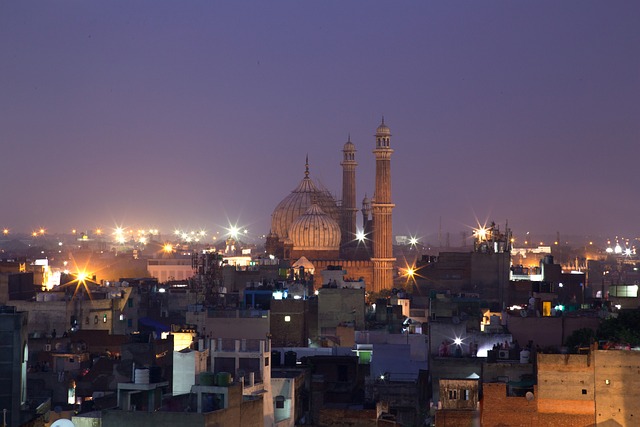
Delhi continues to battle severe air pollution as the Air Quality Index (AQI) frequently crosses the 350–440 range in the post-Diwali and winter months, pushing the city into the “Severe” category. In several parts of Delhi—such as Wazirpur, Jahangirpuri, Rohini, Anand Vihar, Punjabi Bagh, RK Puram, Nehru Nagar and Mundka— Delhi AQI readings often spike above 400 during peak pollution hours, according to real-time data from the Central Pollution Control Board (CPCB). This level of pollution significantly exceeds India’s National Ambient Air Quality Standards (NAAQS) and is multiple times higher than the WHO’s recommended safe limits.
As Delhi’s pollution crisis deepens, understanding AQI and its direct impact on health has become crucial for residents, especially vulnerable groups such as children, senior citizens, and individuals with respiratory conditions.
What Is AQI and Why Does It Matter for Delhi?
The Air Quality Index (AQI) is a scientific tool used to measure how clean—or polluted—the air is. In India, the AQI is calculated by the Ministry of Environment, Forest and Climate Change based on eight major pollutants: PM2.5, PM10, ozone (O₃), nitrogen dioxide (NO₂), sulfur dioxide (SO₂), carbon monoxide (CO), ammonia (NH₃), and lead (Pb). Out of these, PM2.5 (ultrafine particulate matter) and PM10 are the deadliest. PM2.5 is especially dangerous because its particles are smaller than 2.5 microns and can enter deep into the lungs and bloodstream.
AQI values are categorized as follows:
• 0–50: Good
• 51–100: Satisfactory
• 101–200: Moderate
• 201–300: Poor
• 301–400: Very Poor
• 401–500: Severe
• 500+: Hazardous
During winter, Delhi frequently records AQI levels in the “Very Poor” and “Severe” categories, driven by factors like stubble burning, low wind speed, industrial emissions, construction dust, and vehicular pollution.
Also Read: What is AQI? Why AQI Matters? What High AQI Does to Your Health?
Delhi AQI: What Makes Delhi’s Air So Toxic?
1. High PM2.5 Concentrations
Scientific studies show that PM2.5 levels in Delhi can exceed 10–20 times the WHO’s annual recommended limit of 5 µg/m³. These particles come from vehicle exhaust, burning of crops, industrial emissions, and open waste burning.
2. Meteorological Trapping
Low temperatures and slow wind speed trap pollutants closer to the ground. Temperature inversion layers worsen the situation by preventing upward movement of polluted air.
3. Vehicular Pollution
Delhi has over 1.2 crore registered vehicles, making it one of the most congested cities in the world. Transport emissions contribute heavily to PM2.5 and nitrogen dioxide levels.
4. Seasonal Stubble Burning
During October–November, paddy stubble burning in Punjab and Haryana leads to a spike in PM2.5 levels across north India. Satellite data consistently shows thousands of active farm fires during peak pollution weeks.
How Poor AQI Affects Your Health: Evidence-Based Impact
Long-term exposure to poor air quality is linked with multiple health complications, backed by medical and scientific research.
Respiratory Diseases
High AQI levels aggravate asthma, bronchitis, COPD, and increase the risk of lung infections. PM2.5 reaches the alveoli of the lungs, causing inflammation.
Cardiovascular Complications
Research from the American Heart Association shows a strong association between PM2.5 exposure and heart attacks, hypertension, arrhythmia, and stroke.
Impact on Children
According to UNICEF, children breathe faster than adults and inhale more polluted air per body weight. Exposure to PM2.5 impairs lung development, academic performance, and immunity.
Pregnancy Risks
Studies published in The Lancet highlight increased risk of low birth weight, premature birth, and developmental issues due to toxic air exposure.
Long-Term Cancer Risk
The International Agency for Research on Cancer (IARC) classifies outdoor air pollution and PM2.5 as Group 1 carcinogens, meaning prolonged exposure can increase the risk of lung cancer.
AQI Levels and Health Effects: Quick Breakdown
• AQI 0–100: Safe for most people
• AQI 101–200: Mild breathing discomfort, especially for sensitive groups
• AQI 201–300: Increasing respiratory irritation and fatigue
• AQI 301–400: Significant breathing difficulty, wheezing, cough
• AQI 401–500: Severe health risk for everyone, not just vulnerable groups
• 500+: Emergency conditions; even short exposure can be dangerous
How to Protect Yourself During High AQI Days in Delhi
Use N95 or N99 Masks
Regular cloth or surgical masks do not filter PM2.5 particles. N95/N99 masks offer effective protection.
Avoid Outdoor Workouts
Exercising outdoors increases the amount of polluted air you inhale. Indoor workouts are safer on high-AQI days.
Use Air Purifiers Indoors
Choose purifiers with HEPA filters, which can remove up to 99% of PM2.5 particles.
Ventilate Strategically
Keep windows closed during the morning and evening when pollution peaks. Ventilate during low-AQI hours (usually mid-day).
Strengthen Immunity and Hydration
A diet rich in antioxidants (vitamin C, omega-3, leafy greens) helps reduce inflammation caused by pollution.
Keep Children and Elderly Indoors
These groups are the most vulnerable and should avoid stepping out when AQI crosses 300.
The Road Ahead: Why India Needs Stronger Air-Quality Policy
Rising Delhi AQI levels are not just a seasonal problem; they reflect systemic issues—lack of stricter vehicular emission control, ineffective waste management, rapid construction, and inadequate monitoring of industrial pollution. India needs long-term measures such as cleaner fuel transition, electric mobility adoption, crop-residue management technology for farmers, and stricter implementation of the Commission for Air Quality Management (CAQM) guidelines.