


The Mediterranean diet is based on the traditional eating patterns of people in France, Spain, Greece, and Italy—countries that border the Mediterranean Sea. Researchers have found that people following these dietary habits are unusually healthy and have a lower risk of developing various chronic diseases. (Source)
How Can A Mediterranean Diet Help You Lose Weight?
The Mediterranean diet has long been regarded as one of the healthiest eating patterns in the world. It is also one of the most popular diets among people trying to lose weight, thanks to its flexibility, wide variety of flavorful foods, and numerous health benefits. In fact, studies have linked the Mediterranean diet to greater weight loss, reduced inflammation, and a lower risk of chronic diseases.
How the Mediterranean Diet Is Helpful for Diabetes and Prediabetes
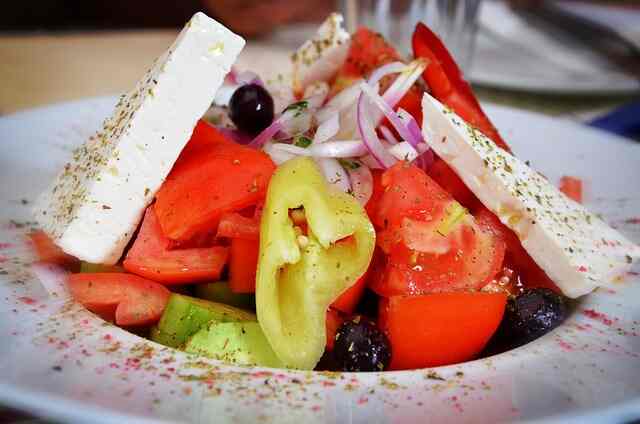
The Mediterranean diet is one of the healthiest diets in the world. It includes fruits, vegetables, whole grains, legumes, seafood, nuts, seeds, and unsaturated fats. According to studies, a Mediterranean-style diet may help prevent and manage diabetes and its associated risk factors, including weight gain, obesity, heart disease, and stroke.
Also Read: All About Vegan Diet: A Detailed Guide On Veganism For Beginners!!!
Other Health Benefits –
Promotes heart health
The Mediterranean diet has been extensively researched for its potential to improve heart health. In fact, studies suggest that following a Mediterranean diet may reduce the risk of developing heart disease and stroke.
Supports healthy blood sugar levels
The Mediterranean diet emphasizes nutrient-dense foods such as fruits, vegetables, nuts, seeds, whole grains, and heart-healthy fats. As a result, following this dietary pattern may help stabilize blood sugar levels and reduce the risk of type 2 diabetes. (Source)
Protects brain function
Several studies suggest that the Mediterranean diet may benefit brain health and help protect against cognitive decline with age. For example, a study involving 512 participants found that greater adherence to the Mediterranean diet was associated with improved memory and a reduction in several risk factors linked to Alzheimer’s disease.
Foods That You Can Eat In the Mediterranean?
- Vegetables: tomatoes, broccoli, kale, spinach, onions, cauliflower, carrots, Brussels sprouts, cucumbers, potatoes, sweet potatoes, turnips
- Fruits: apples, bananas, oranges, pears, strawberries, grapes, dates, figs, melons, and peaches.
- Eggs: chicken, and duck eggs
- Dairy: cheese, yogurt, milk.

Foods To Avoid In Mediterranean
- Added sugar: added sugar is found in many foods but is especially high in soda, candies, ice cream, table sugar, syrup, and baked goods.
- Refined grains: white bread, pasta, tortillas, chips, crackers.
- Trans fats: found in margarine, fried foods, and other processed foods
- Refined oils: soybean oil, canola oil, cottonseed oil, grapeseed oil.
A Sample Mediterranean Meal Plan For 1 Week
Monday
- Breakfast: Strawberries and chia seeds in Greek yoghurt.
- Lunch:a sandwich made with nutritious grains, hummus, and vegetables.
- Dinner: a fruit salad and tuna salad with leaves and olive oil.
Tuesday
- Breakfast: oatmeal with blueberries.
- Lunch: Olive oil, balsamic vinegar, mozzarella, and zucchini noodles in a caprese sauce.
- Dinner: a salad with grilled chicken, feta cheese, farro, tomatoes, olives, and cucumbers.
Wednesday
- Breakfast: an omelette with mushrooms, tomatoes, and onions
- Lunch: a whole grain sandwich with cheese and fresh vegetables
- Dinner: Mediterranean lasagna
Thursday
- Breakfast: yogurt with sliced fruit and nuts
- Lunch: a quinoa salad with chickpeas
- Dinner: broiled salmon with brown rice and vegetables
Friday
- Breakfast: eggs and sautéed vegetables with whole wheat toast
- Lunch: stuffed zucchini boats with pesto, turkey sausage, tomatoes, bell peppers, and cheese
- Dinner: grilled lamb with salad and baked potato
Saturday
- Breakfast: oatmeal with raisins, nuts, and apple slices
- Lunch: a whole grain sandwich with vegetables
- Dinner: Mediterranean pizza made with whole wheat pita bread and topped with cheese, vegetables, and olives
Sunday
- Breakfast: an omelette with veggies and olives
- Lunch: falafel bowl with feta, onions, tomatoes, hummus, and rice
- Dinner: grilled chicken with vegetables, sweet potato fries, and fresh fruit
Mediterranean Diet Tips And Tricks
Salt-free or lightly seasoned foods are flavored with fresh and dried herbs and spices. Fish and seafood provide high-quality protein along with beneficial omega fatty acids. Dairy products, eggs, and especially red meat should be consumed in moderation, with a preference for sustainable, organic, and environmentally friendly protein sources. The Mediterranean diet also encourages making meals a communal and mindful activity by eating slowly.
Side Effects Of the Mediterranean Diet
- Olive oil and fats from nuts can contribute to weight gain if consumed in excess.
- Iron levels may be lower due to limited meat consumption.
- Reducing dairy intake can lead to a decrease in calcium levels.
Risk Of Mediterranean Diet
- Weight gain may occur if fat intake exceeds recommended limits.
- Low iron levels can result from insufficient consumption of meat.
- Calcium loss may occur as a result of reduced dairy consumption.weight increase brought on by exceeding the recommended fat intake.
- Calcium loss as a result of reducing dairy consumption.
Conclusion
Experts agree that the Mediterranean diet can have long-term positive effects on health. The DASH diet (Dietary Approaches to Stop Hypertension) is ranked as the second-healthiest eating plan and is specifically recommended for managing hypertension, or high blood pressure.