

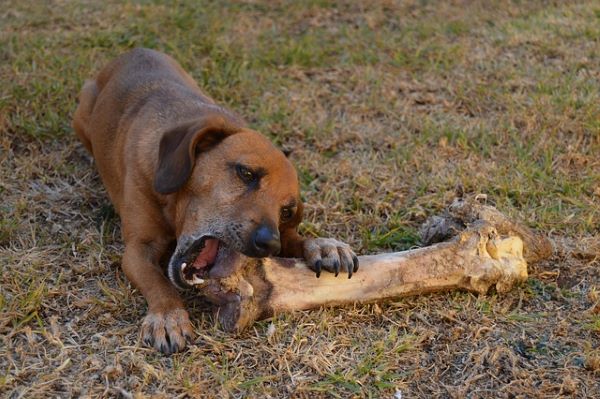
Chicken is one of the most commonly fed proteins for dogs due to its high digestibility and lean nutritional profile. However, feeding chicken to dogs is not as simple as offering any part of the bird. Some parts are healthy and safe, while others pose serious risks including choking, bacterial infections, pancreatitis, and even paralysis related to bacterial contamination.
This article breaks down each part clearly using veterinary and scientific insights.
What are the Safe Chicken Parts for Dogs (When Cooked and Plain)
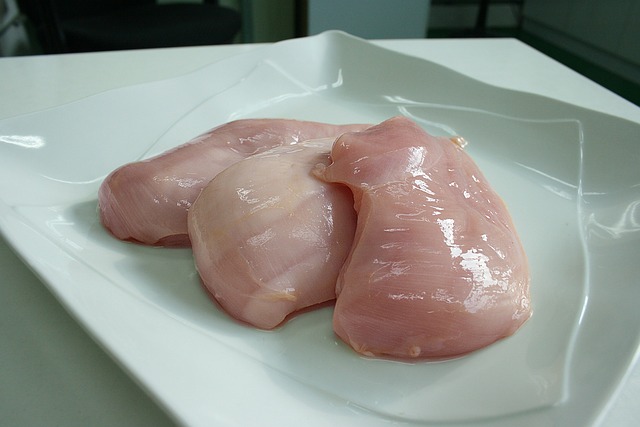
1. Chicken Breast, Thigh, and Boneless Meat
Cooked, unseasoned chicken meat without skin or bones is one of the safest choices for dogs. It is lean, high in protein, and often recommended by veterinarians in bland diets for digestive upset. Boiling or steaming is preferred to avoid added oils or salt.
2. Chicken Liver (In Small Amounts)
Liver is rich in vitamins A, B, iron, copper, and essential minerals. While nutritious, it must be fed sparingly. Excessive liver can cause vitamin A toxicity, which affects bones and joints. Veterinarians recommend using liver as an occasional treat, not a staple.
3. Chicken Heart for Dogs
Chicken heart is a good source of taurine and lean protein. It can be fed cooked in small quantities, but, like all organ meats, it should not exceed a small portion of a dog’s weekly intake. For dogs on home-cooked diets, heart should be balanced with guidance from a veterinary nutritionist.
Unsafe or High-Risk Chicken Parts for Dogs
1. Cooked Chicken Bones
Cooked bones are universally considered unsafe. They become brittle and splinter easily, causing choking, esophageal tears, stomach perforations, or intestinal blockage. Emergency veterinary hospitals frequently treat complications from cooked chicken bones, especially wings and drumsticks.
2. Raw Chicken Bones for Dogs
Raw bones do not splinter as easily as cooked ones, but they still pose significant risks. They can fracture teeth, cause choking, or create gastrointestinal blockages. Studies have shown that raw poultry often carries harmful bacteria such as Salmonella and Campylobacter, which can infect both dogs and humans handling the meat.
3. Chicken Skin and Fatty Trimmings
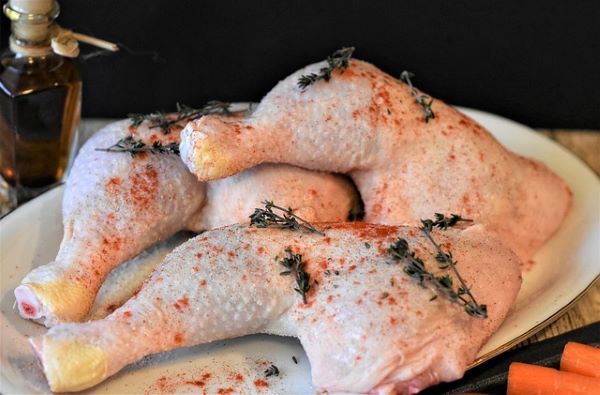
Chicken skin is high in fat and can trigger pancreatitis, a painful and potentially life-threatening inflammation of the pancreas. Dogs prone to obesity, digestive issues, or previous pancreatitis episodes should strictly avoid chicken skin and greasy chicken preparations.
4. Seasoned, Spicy, or Processed Chicken
Dogs should never consume chicken prepared with onion, garlic, salt, masalas, sauces, marinades, or fried coatings. Onions and garlic are toxic to dogs, and salty or spicy foods can cause stomach upset, dehydration, or long-term health issues. Processed chicken like sausages or salami also contains preservatives and extremely high sodium levels.
5. Excessive Organ Meat
Kidney, liver, and other organs are nutrient-dense but must be fed in moderation. Overconsumption can cause nutrient imbalances, digestive upset, or vitamin toxicity. Dogs on homemade diets need veterinary nutritionist guidance to ensure a balanced meal plan.
Chicken Necks for Dogs: A High-Risk and Often Misunderstood Food
Chicken necks are commonly fed to dogs, especially by owners who follow raw feeding practices. However, scientific studies and veterinary professionals strongly advise against feeding chicken necks due to three major risks.
1. Severe Choking Hazard
Chicken necks are the perfect size and shape to become lodged in a dog’s throat. Small and medium breeds are particularly vulnerable. A neck can obstruct the airway in seconds, making this one of the most dangerous chicken parts to feed.
2. Esophageal and Intestinal Blockages
Chicken necks contain small vertebrae that can become stuck, splinter, or cause internal obstruction. Even when chewed, these bones can cause trauma to the digestive tract.
3. Bacterial Contamination Linked to Paralysis
Veterinary research in Australia and Europe has connected raw chicken necks with a condition called acute polyradiculoneuritis, similar to Guillain-Barré syndrome in humans. The condition can cause weakness, hind-leg paralysis, and difficulty breathing. Scientists believe this may be caused by Campylobacter bacteria found in raw poultry, which can trigger an autoimmune response in dogs.
Based on the available evidence, veterinarians advise avoiding chicken necks entirely, whether raw or cooked.
Scientific and Veterinary Insights on Feeding Chicken to Dogs
- Raw chicken is frequently contaminated with Salmonella and Campylobacter, posing risks to dogs and humans.
- The American Veterinary Medical Association discourages raw poultry diets due to infection and injury risks.
- Cooked, boneless, plain chicken meat is consistently rated the safest option.
- High-fat or bone-containing chicken parts are strongly discouraged.
Also Read: Now Know All about Allergies in Dogs
Vet-Approved Guidelines for Feeding Chicken Safely
- Always cook chicken thoroughly using boiling or steaming methods.
- Remove all bones before serving.
- Feed chicken plain, without salt, oils, spices, or seasoning.
- Avoid chicken skin, fried chicken, and any processed or marinated preparations.
- Limit organ meats to small portions.
- Handle raw chicken with strict hygiene to protect both pets and humans.
- Consult a veterinary nutritionist when preparing regular home-cooked meals for dogs.
Also Read: Most Common Poultry Diseases With Symptoms and Treatment: A List
Feeding Chicken to Dogs: What Is Safe and What Is Not
Feeding chicken to dogs requires careful selection of the parts you offer. Safe options include cooked, plain, boneless cuts such as chicken breast, chicken thigh meat, and boneless cooked drumstick meat, along with small amounts of nutrient-dense organs like liver and heart. These provide lean protein and essential vitamins when prepared without salt, oil, or spices. However, several chicken parts are unsafe or high-risk for dogs.
Cooked bones are dangerous because they splinter easily and can cause choking or internal injury, while raw bones carry bacterial contamination and may still cause blockages. Chicken necks, chicken wings, and drumstick bones are particularly hazardous due to their size and shape, which can lodge in the throat or damage the digestive tract.
Additionally, chicken skin and fatty trimmings can trigger pancreatitis, and seasoned, fried, or processed chicken contains additives, excessive fat, and toxic ingredients that can harm a dog’s digestive and overall health.