

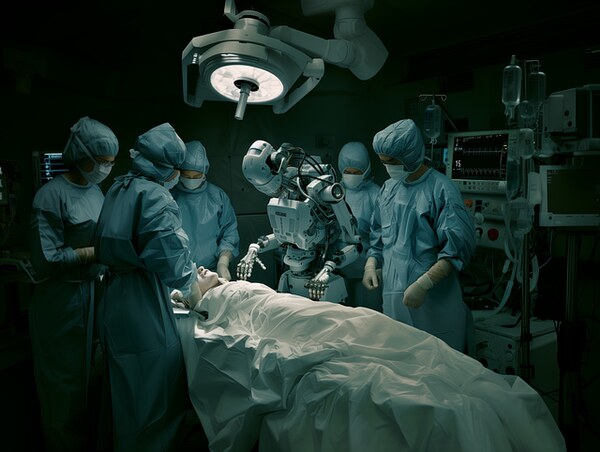
The question for international patients is no longer if they should choose robotic surgery, but where they can access the highest level of precision without a six-figure price tag. India has emerged as the definitive answer. Yes, Robotic Surgery in India is becoming a prefered choice for so many patients not only from Asian countries, Middle east countries but also for the patients living in the west.
Driven by a unique blend of world-class surgical expertise and a surge in homegrown medical technology, India now hosts one of the largest fleets of surgical robots globally. From the medical corridors of Cyber City in Gurugram to the advanced healthcare hubs of Chennai, robotic-assisted surgery has transitioned from a luxury offering to the gold standard of care for global medical tourists.
1. The SSI Mantra: India’s Homegrown Disruptor
The biggest trend in 2026 is the success of the SSI Mantra, India’s first indigenous surgical robotic system. Developed by Dr. Sudhir Srivastava, this system has fundamentally changed the economics of medical tourism.
- Cost Efficiency: While the American-made Da Vinci system remains a staple, the SSI Mantra costs roughly one-third of its Western counterparts. This saving is passed directly to the patient.
- Widespread Adoption: As of early 2026, over 160 SSI Mantra systems are installed across India, extending beyond metros into Tier-2 cities like Indore and Kochi.
- Versatility: The system is now validated for over 100 types of procedures, including complex “Beating Heart” cardiac surgeries and multi-specialty oncology.
2. Why Patients Choose India for Robotic Surgery: The 2026 “High-Volume” Advantage
Indian robotic surgeons are globally recognized because of the “High-Volume” factor.
In 2026, a lead robotic surgeon in an Indian metro facility typically performs 300 to 500 robotic procedures annually. This sheer volume leads to:
- Lower Complication Rates: Refined clinical pathways and surgical “muscle memory.”
- Shortened Procedure Times: Reduced time under anesthesia, which is critical for elderly patients.
- Better Aesthetic Outcomes: Miniaturized “keyhole” incisions that leave almost no visible scarring.
3. Robotic Surgery in India 2026 Cost Comparison: India vs. The West (2026 Data)
Here is the current cost landscape for robotic procedures:
| Procedure Type | USA / UK (Avg. 2026) | India (Avg. 2026) | Patient Savings |
| Robotic Prostatectomy | $35,000 – $50,000 | $7,000 – $9,500 | ~75% |
| Robotic Knee Replacement | $40,000 – $60,000 | $6,500 – $8,000 | ~85% |
| Robotic Hysterectomy | $25,000 – $38,000 | $5,500 – $7,200 | ~78% |
| Robotic Cardiac Bypass | $100,000+ | $12,000 – $15,000 | ~88% |
Note: Indian costs often include luxury hospital stays and initial physiotherapy, which are separate charges in the West.
4. Specialized Frontiers: Orthopedics and Neurosurgery
While urology initially led the robotic charge, 2026 is the year of Robotic Orthopedics.
- Robotic Joint Replacement: Systems like Mako and Cuvis Joint allow for sub-millimeter accuracy in implant placement. Patients are now achieving “Natural Knee” feel and are often discharged within 48 hours.
- Neuro-Robotics: In 2026, India’s top neuro-centers use robotic arms for Deep Brain Stimulation (DBS) and tumor biopsies, navigating the brain’s delicate architecture with a level of steadiness that exceeds the human hand.
Also Read: Meet Dr. Shilpi Reddy Robotic Gynecology Specialist in Hyderabad
5. Telesurgery: The Future is Here
A major milestone reached in late 2025 and early 2026 is the regular use of Telesurgery. Indian surgeons have successfully performed robotic procedures across distances of over 2,000 km using ultra-low latency 5G networks. For a medical tourist, this means the “Master Surgeon” can be in Delhi while the patient is recovering in a serene wellness facility in Kerala.

Conclusion: Precision, Personalized
Robotic surgery in India has reached a point of “Mass Excellence.” By combining the world’s most experienced surgeons with a new generation of affordable, high-tech robotic systems, India offers a value proposition that the West simply cannot match. For the global patient, choosing India in 2026 isn’t just about saving money—it’s about choosing the most advanced surgical outcome available today.
Frequently Asked Questions (FAQ): Robotic Surgery in India 2026
Is robotic surgery safer than traditional surgery? Yes, robotic surgery typically results in less blood loss, lower infection risk, and faster recovery due to the precision of the instruments and the magnified 3D view.
How long is the recovery time for robotic surgery in India? Most patients are “fit to fly” within 7 to 10 days for abdominal or urological surgeries, and 14 days for orthopedic joint replacements.
Does insurance cover robotic surgery in India? In 2026, most international insurance providers cover robotic procedures in JCI-accredited Indian hospitals, provided they are medically necessary.