

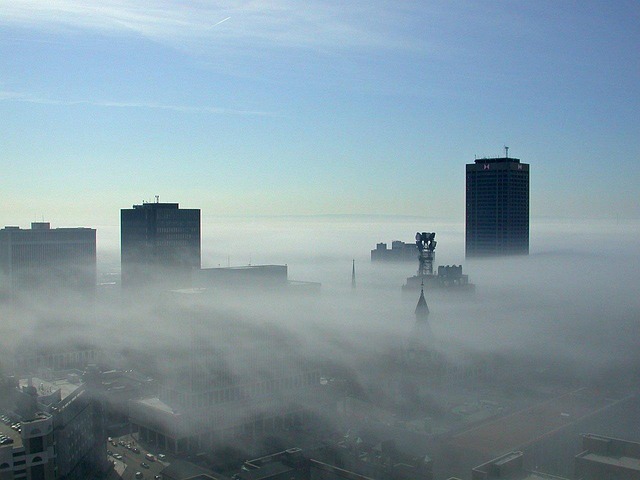
Right now, Delhi’s air quality is a serious public-health concern. On December 1, 2025, some areas in the city recorded Air Quality Index readings as high as 354, with the overall average around 299–373 depending on the time of day. In many parts, the air is well within the “very poor” to “severe” category — meaning virtually everyone is at risk. Reports from multiple monitoring stations show dangerously high levels of particulate matter (PM) and other pollutants. This ongoing pollution crisis has turned air quality into a city-wide health emergency. In this article, we will understand what is AQI and what high AQI does to your health.
What Is AQI and Why It Matters
The Air Quality Index (AQI) is a standardized metric that simplifies multiple pollutant measurements into a single value — helping people understand how polluted the air is, and how harmful it may be to inhale.
AQI values range from 0 to 500. Broadly:
- 0–50: Good — Air quality is satisfactory, with little or no risk to health.
- 51–100: Satisfactory / Moderate — Air is acceptable, though sensitive individuals may notice mild irritation.
- 101–200: Moderate to “Unhealthy for Sensitive Groups” — People with respiratory issues, elderly or children may start to feel effects.
- 201–300: Poor — General public may experience discomfort; respiratory symptoms could begin for some.
- 301–400: Very Poor — Most people can experience respiratory discomfort, especially sensitive individuals.
- 401–500: Severe — Serious health alert — everyone is at risk, even healthy people. Continued exposure can lead to major health problems.
In short: higher the AQI number — greater the risk to health.
What High AQI Does to Your Health
Air pollution measured by AQI often includes fine particulate matter (PM2.5 and PM10), nitrogen dioxide (NO₂), ozone (O₃), sulphur dioxide (SO₂), carbon monoxide (CO), and other contaminants.

Prolonged or repeated exposure to high AQI levels can lead to:
- Respiratory problems: inhaling fine particles irritates the airways, causing inflammation, coughing, wheezing, shortness of breath — especially in children, elderly, or people with asthma.
- Worsening of chronic conditions: individuals with asthma, chronic obstructive pulmonary disease (COPD), heart disease or allergies are at increased risk of serious flare-ups.
- Long-term health impacts: repeated exposure to poor air over months or years can contribute to reduced lung function, increased risk of lung cancer, cardiovascular issues, and overall weakened immunity.
- General discomfort: even healthy people may feel eye irritation, throat dryness, headache, fatigue on high pollution days.
Medical experts recommend limiting outdoor activity, especially during early morning or late evening when pollution tends to peak.
Air Quality Index in India — Broader Context & Recent Trends
In India, AQI integrates various pollutants into the single index. It captures levels of particulate matter (PM2.5, PM10), ozone, NO₂, SO₂, CO, and other harmful gases.
In 2025, for example, the broader Delhi-NCR region recorded its lowest average Air Quality Index between January and November (excluding pandemic lockdown years) — about 187, improving compared to previous years. During this period, days falling in the “severe” pollution category dropped sharply — only three such days were recorded, compared to many more in past years.
However, despite this improvement, sudden spikes — often due to seasonal factors (crop stubble burning in neighbouring states, temperature inversion, cold weather, vehicular and industrial emissions) — can still push AQI into “very poor” or “severe” zones, creating public-health emergencies, especially in winter.
What You Should Do to Protect Health When AQI Is High
Given the serious health risks associated with high AQI, especially in polluted cities like Delhi — and potentially in other urban areas — here are practical, evidence-based precautions:
- Minimise outdoor exposure when AQI crosses 200; avoid strenuous activity outside when AQI is “very poor” or “severe.”
- Use air purifiers indoors — especially in bedrooms or living spaces. Indoor air often becomes polluted when outdoor air seeps in.
- Keep windows and doors closed during high pollution days; reduce dust and pollutants entering homes.
- Use protective masks (N95 / N99 or certified masks) when going outside — especially for children, elderly, pregnant women or those with respiratory conditions.
- Avoid outdoor exercises or activities during peak pollution hours (early morning or late evening).
- Monitor AQI daily — many apps and websites report real-time AQI, so you can plan your day accordingly.
- Ensure good ventilation and indoor hygiene — regular cleaning to avoid dust accumulation, avoid smoking indoors, use exhaust fans if cooking produces smoke.
- Special care for vulnerable groups — children, older adults, pregnant women, people with asthma or chronic illnesses should be especially careful on high-AQI days.
Also Read: Experts Reveal The Link Between Air Pollution and Heart Attacks
Why High AQI Awareness Matters — Health & Environmental Responsibility
AQI is not just a statistic — it’s a health early-warning system. When air crossing a city becomes rich in pollutants, it affects every living being: humans, animals, plants. High AQI levels over prolonged periods weaken lung function, impair immunity, and raise risks of chronic diseases.
Especially in densely populated cities like Delhi or other urban areas — where pollution originates from traffic, industries, construction dust, burning of crop residue or waste — high AQI is a consequence of collective human activities. Understanding and responding to AQI means safeguarding health, but also advocating for cleaner air policies, sustainable transport, reduced industrial pollution, waste management, and greener urban planning.
High AQI in India
Air pollution — as captured by Air Quality Index — is a silent but powerful threat. When AQI crosses 300–400, the air becomes harmful for everyone. In cities like Delhi, where AQI often enters “very poor” or “severe” range especially during winters, ignoring the risk can lead to serious health consequences.
Remain alert. Check Air Quality Index daily. Take precautions for yourself and loved ones from high AQI. Advocate for clean air in your community. Because clean air is not a luxury — it is a fundamental necessity for health.